If you’re targeting the keyword “ehi vuoi da bere” to grow organic traffic, you’ve chosen a phrase with strong cultural, musical, and conversational relevance. This Italian expression is short, memorable, and emotionally engaging — making it perfect for SEO content, lifestyle blogs, music pages, or Italian-culture websites.
In this article, you’ll learn the meaning, origin, cultural significance, and SEO potential of ehi vuoi da bere, along with strategies to help your website rank for this keyword.
What Does “Ehi Vuoi Da Bere” Mean?
The phrase “ehi vuoi da bere” translates from Italian to:
“Hey, do you want something to drink?”
Let’s break it down:
Ehi — Hey / Hi (informal greeting)
Vuoi — Do you want
Da bere — Something to drink
It’s a casual, friendly sentence commonly used among friends in cafés, bars, or social gatherings. Because of its relaxed tone, the phrase instantly evokes Italian social life, hospitality, and conversation.
This simplicity is exactly why the keyword works well online — people search it for translation, music references, memes, or cultural curiosity.
Why “Ehi Vuoi Da Bere” Is a Powerful SEO Keyword
From an SEO perspective, this keyword has several advantages:
1. Strong User Intent Variety
Users searching this phrase may want:
Translation or meaningSong informationItalian language learning contentCultural contextLyrics or nostalgiaSocial media captions
This allows you to capture multiple traffic sources with one article.
2. Low Competition Long-Tail Phrase
Unlike generic keywords like Italian phrases or Italian music, this specific expression has:
Lower competition
Highly targeted visitors
Better ranking potential for newer sites
3. Emotional & Cultural Appeal
Search engines increasingly favor content connected to culture and storytelling, and this phrase naturally fits both.
The Cultural Roots: Italian Social Life & a Rock Classic
Ehi! (Vuoi Da Bere?) and Vasco Rossi
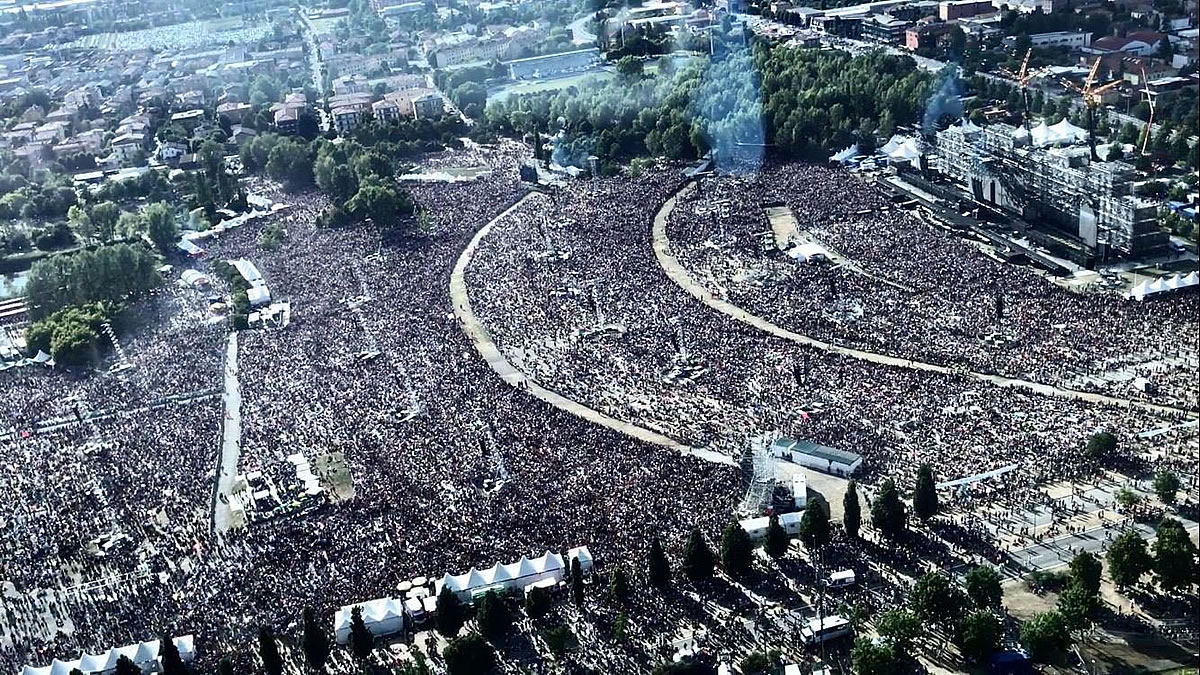
The popularity of this phrase exploded thanks to Italian rock legend Vasco Rossi, whose song Ehi! (Vuoi Da Bere?) became an iconic track in Italian music history.
Released in 1980, the song captured the rebellious energy of youth culture and nightlife in Italy. Rather than simply asking about a drink, the phrase symbolized:
Freedom
Social connection
Urban life
Youth identity
In Italian bars, offering someone a drink is more than hospitality — it’s an invitation to conversation, friendship, and shared moments.
Because of this musical connection, many online searches for ehi vuoi da bere are actually tied to nostalgia, lyrics, or curiosity about Italian rock culture.
How People Use “Ehi Vuoi Da Bere” Today
Today, the phrase appears in many modern contexts:
1. Everyday Conversation
It’s still commonly used casually among friends:“Ehi, vuoi da bere?”
“Hey, want something to drink?”
2. Social Media Captions
Instagram and TikTok users use it for:
Party photos
Café aesthetics
Travel posts in Italy
Retro or vintage vibes
3. Italian Language Learning
Language learners search the phrase because it teaches:
Informal speech
Practical vocabulary
Real-life dialogue
4. Music & Pop Culture Searches
Fans discover the phrase through Italian music playlists and classic rock discussions.
SEO Strategy: How to Rank for “Ehi Vuoi Da Bere”
If your goal is traffic growth, here’s how to optimize effectively.
✅ 1. Use Keyword Variations
Include natural variations such as:
ehi vuoi da bere meaning
ehi vuoi da bere translation
whatItalian phrase ehi vuoi da bere
ehi vuoi da bere song meaning
Google rewards semantic relevance rather than repetition.
✅ 2. Optimize On-Page Elements
Title Tag ExampleEhi Vuoi Da Bere Meaning & Cultural Story Explained
Meta DescriptionDiscover the meaning of “ehi vuoi da bere,” its Italian cultural roots, song history, and whythis phrase is trending online.
URL Slug
✅ 3. Create Supporting Content (Topic Cluster)
Build internal links using related articles:
Common Italian phrases for travelers
Italian café culture guide
Best Italian rock songs
Beginner Italian conversation phrases
This builds topical authority.
✅ 4. Add User Engagement Sections
Google favors pages where users stay longer. Include:
FAQs
Examples of conversations
Cultural explanations
Shareable quotes
Example Conversations Using the Phrase
Here are natural contexts where Italians might use it:
At a café
Marco: Ehi vuoi da bere?
Luca: Un espresso, grazie.
At a party
Friend: Ehi, vuoi da bere o qualcosa da mangiare?
Hosting guests
Host: Benvenuto! Ehi vuoi da bere?
These examples help language learners — another traffic source.
Why This Keyword Can Bring Long-Term Traffic
Unlike trending news keywords, ehi vuoi da bere is evergreen because it connects to:
Language learning (constant demand)
Music history
Italian culture
Social expression
Evergreen keywords continue attracting visitors for years with minimal updates.
FAQ About “Ehi Vuoi Da Bere”
Is “ehi vuoi da bere” formal or informal?
It’s informal and friendly, best used with friends or peers.
Is it commonly used in Italy?
Yes — especially in casual social situations like bars or gatherings.
Why is it famous?
Its popularity grew largely through Italian rock culture and everyday conversational use.
Can beginners learn Italian through phrases like this?
Absolutely. Real phrases teach tone and context better than textbook sentences.
Final Thoughts
The keyword “ehi vuoi da bere” is more than a simple Italian sentence — it represents conversation, music, friendship, and cultural identity. That combination makes it a high-potential SEO opportunity.
By creating helpful, culturally rich content around this phrase, you can:
Attract language learners
Capture music fans
Rank for long-tail searches
Build topical authority in Italian culture niches
Focus on meaningful explanations, user intent, and storytelling, and this keyword can become a steady traffic driver for your website.