Introduction
In today’s world, many people are searching for eco-friendly and sustainable products for their homes and gardens. One material that has gained growing attention is wollmatten. These natural mats, made primarily from wool fibers, combine comfort, durability, and environmental responsibility.
Wollmatten are increasingly used in interior design, gardening, and construction because of their natural insulation, moisture control, and long lifespan. They offer a practical alternative to synthetic mats that often contain plastics and chemicals.
This article explores what wollmatten are, how they are made, their benefits, and why they are becoming a popular choice for sustainable living.
What Are Wollmatten
The word wollmatten comes from the German words “woll” (wool) and “matten” (mats). Simply put, wollmatten are mats or sheets made from compressed, woven, or felted wool fibers.
Unlike synthetic mats, wollmatten are created from natural sheep’s wool. This material gives them unique qualities such as breathability, temperature regulation, and softness. Wool fibers naturally trap air, helping maintain warmth in colder environments while remaining comfortable in warmer conditions.
Because of these properties, wollmatten are used in many settings, including homes, yoga studios, gardens, and eco-friendly buildings.
How Wollmatten Are Made
The production of wollmatten combines traditional textile craftsmanship with modern manufacturing techniques. The process typically involves several steps:
1. Wool Collection
The first step is obtaining raw wool from sheep through a process called shearing. This is a routine practice that keeps sheep healthy and provides renewable raw material.
2. Cleaning and Processing
Raw wool contains natural oils and debris. It must be washed, cleaned, and combed to prepare the fibers for manufacturing.
3. Felting or Weaving
The cleaned wool fibers are pressed or woven together using methods such as:
-
Needle felting
-
Wet felting
-
Mechanical compression
These processes bond the fibers together to create a durable mat structure.
4. Finishing and Shaping
Finally, the mats are cut into various sizes and thicknesses depending on their intended use.
Key Features of Wollmatten
One reason wollmatten have become popular is their natural performance advantages.
Natural Insulation
Wool fibers trap air between them, creating an effective thermal barrier. This helps maintain comfortable indoor temperatures and improves energy efficiency in buildings.
Moisture Regulation
Wool can absorb up to 30% of its weight in moisture without feeling wet, making wollmatten ideal for controlling humidity in indoor spaces.
Sound Absorption
The dense fiber structure helps absorb sound waves, reducing echo and noise levels in rooms.
Fire Resistance
Wool has a naturally high ignition temperature and resists flames better than many synthetic fibers.
Durability and Elasticity
Wool fibers contain keratin, giving them elasticity and the ability to return to their original shape even after heavy use.
Uses of Wollmatten
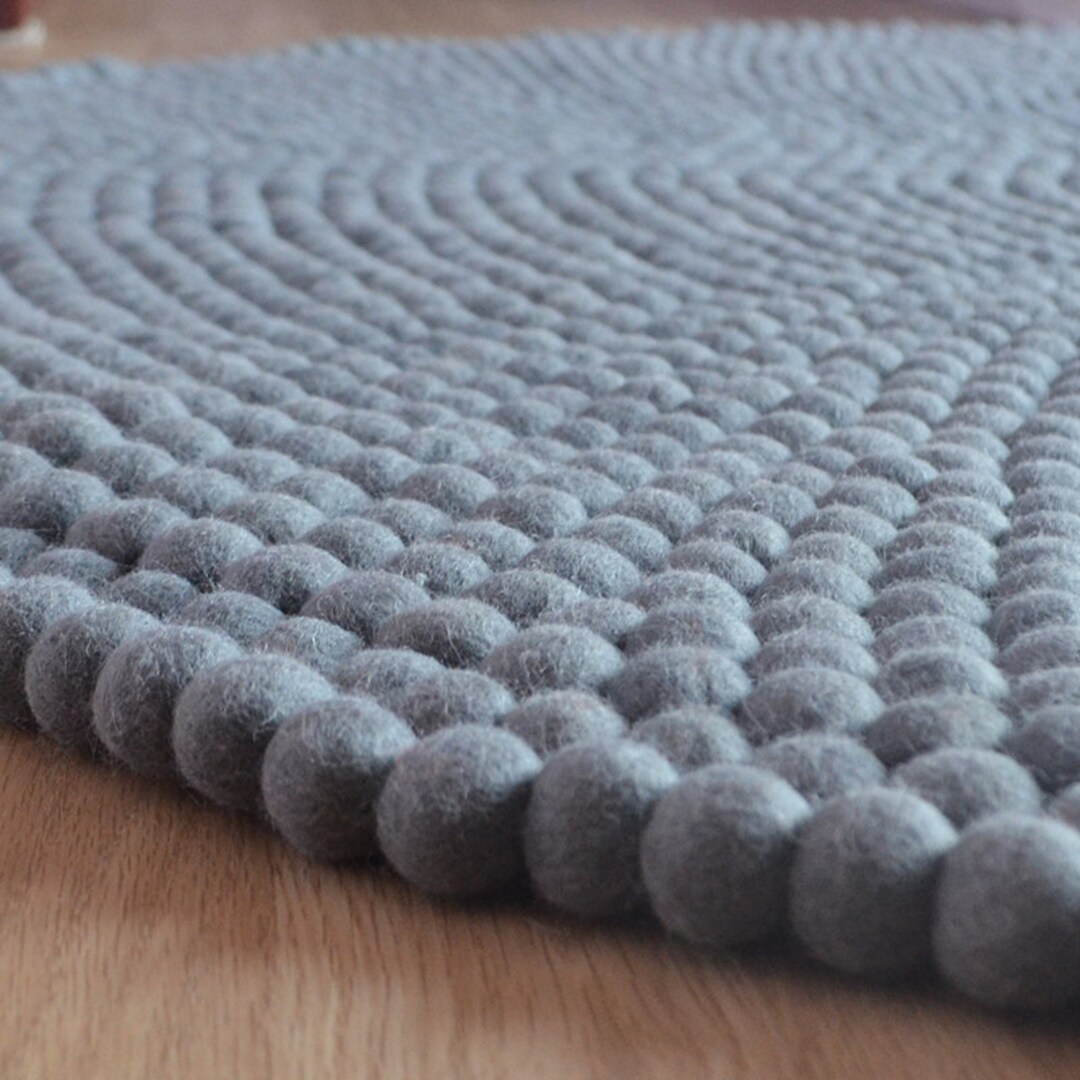
Wollmatten are extremely versatile and can be used in many industries and everyday environments.
1. Home Flooring and Interior Design
Many homeowners use wollmatten as floor coverings or rugs. They provide:
Warm and soft flooring
Natural home aesthetics
Improved indoor acoustics
Interior designers often choose wool mats for their texture, comfort, and sustainability.
2. Gardening and Agriculture
Wool mats are also used as mulch mats in gardening. These mats are placed around plants to help improve soil conditions.
Benefits include:
Retaining soil moisture
Preventing weed growth
Slowly releasing nutrients as the wool decomposes
Wool contains natural nitrogen that can act as a slow-release fertilizer for plants.
3. Yoga and Wellness
Many wellness studios now use wool mats for yoga or meditation. Compared to synthetic mats, they offer better temperature control and natural comfort.
4. Sustainable Construction
In eco-friendly architecture, wollmatten can be used as insulation materials in walls and floors because of their thermal and acoustic properties.
Environmental Advantages of Wollmatten
One of the biggest reasons wollmatten are becoming popular is their sustainability.
Renewable Resource
Sheep naturally produce new wool each year, making wool a renewable material.
Biodegradable
Unlike plastic mats that remain in landfills for decades, wollmatten can decompose naturally.
Reduced Microplastic Pollution
Synthetic mats often release microplastics into the environment. Wool mats do not contribute to this problem.
Lower Carbon Footprint
Using natural fibers helps reduce dependence on petroleum-based materials.
Types of Wollmatten
Wollmatten are available in different styles depending on how they are made and used.
Felted Wool Mats
Dense mats created by compressing wool fibers together.
Rolled Wool Mats
Flexible mats often used for crafts, yoga, or meditation.
Decorative Wool Rugs
Handcrafted wool mats designed for interior decoration.
Garden Wool Mats
Special mats used in agriculture for plant protection and soil improvement.
Each type serves a different purpose while maintaining the same natural benefits of wool.
How to Maintain Wollmatten
Proper care can extend the lifespan of wool mats significantly.
Basic maintenance tips include:
Shake the mat regularly to remove dust
Vacuum gently to keep fibers clean
Spot clean with mild soap and cold water
Avoid excessive machine washing
With proper care, high-quality wollmatten can last many years.
Why Wollmatten Are Gaining Popularity
Several global trends are contributing to the rise of wollmatten:
Growing interest in eco-friendly materials
Increased awareness of indoor air quality
Demand for sustainable home décor
Expansion of organic gardening practices
Consumers today want products that are both functional and environmentally responsible, and wollmatten meet these expectations.
Future of Wollmatten in Sustainable Design
As sustainable living continues to grow, the demand for natural materials like wool is expected to increase. Architects, interior designers, and environmentalists are exploring innovative ways to use wool fibers in construction and home products.
Possible future developments include:
Advanced eco-insulation systems
biodegradable landscaping materials
luxury wool-based home décor products
sustainable acoustic panels
These innovations may make wollmatten an essential component of green building practices.
Conclusion
Wollmatten represent a perfect combination of natural comfort, sustainability, and practicality. Made from renewable wool fibers, these mats offer numerous advantages including thermal insulation, moisture control, sound absorption, and environmental friendliness.
From homes and yoga studios to gardens and sustainable buildings, wollmatten provide a versatile solution for people seeking natural alternatives to synthetic materials.
As interest in eco-friendly living continues to grow, wollmatten are likely to become even more popular in modern design and everyday life